
Google's ad tech remedies: what changes for publishers running Prebid
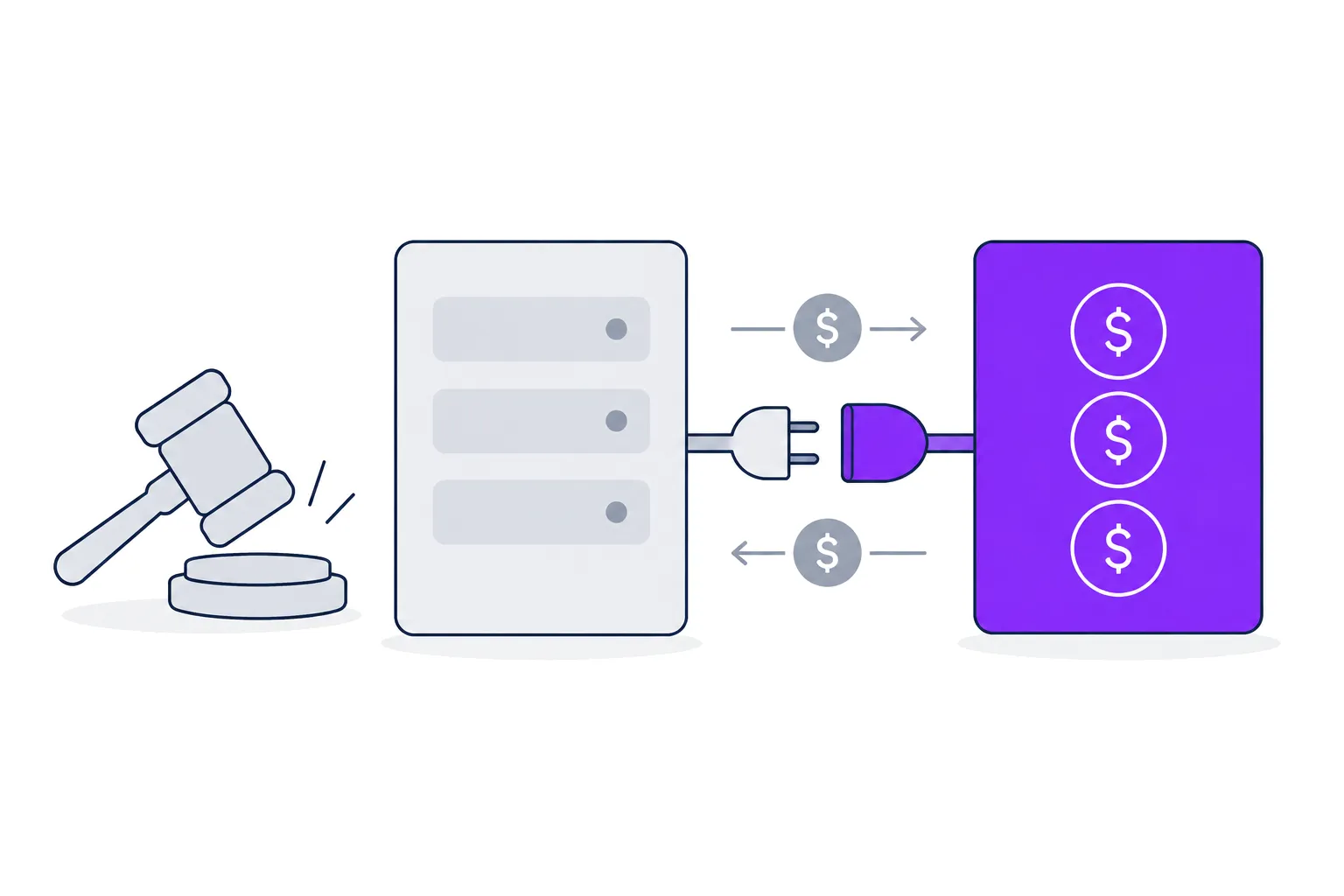
On September 2, 2026, Judge Leonie Brinkema decided the remedies in the US Department of Justice's ad tech case against Google. Google does not have to sell AdX or its publisher ad server (DFP, now Google Ad Manager). Instead it gets a set of behavioral obligations, several of which touch Prebid directly.
Below is what the decision says according to the reporting available today, what is still open, and what a publisher running Prebid in front of Google Ad Manager should get ready for. One caveat up front: the details below come from trade press coverage of the decision and the opinion unsealed on September 16, mainly AdExchanger's summary of the unsealed opinion. The parties' joint final judgment is due October 2, 2026, and that document is what will actually bind Google. Treat everything here as provisional until it is filed.
How we got here
In April 2025 the court found Google liable for monopolizing two markets, publisher ad servers and ad exchanges, and for unlawfully tying them together. The DOJ lost its claim about advertiser ad networks. The remedies trial started in September 2025 and closing arguments were heard that November.
The DOJ asked for structural remedies: a sale of AdX, open-sourcing the final auction logic in DFP, and a possible later sale of DFP. According to AdExchanger's report on the ruling, the judge rejected all three and accepted most of the behavioral remedies, with changes. Google has said it will appeal the liability finding.
What Google has to do
As reported, the remedies include:
- Integrations between AdX, DFP and Prebid. Google must build API integrations that connect AdX and DFP to Prebid.
- AdX bids for rival ad servers. AdX must submit real-time bids to other publisher ad servers on the same terms it gives DFP.
- Bid data for publishers. Google must share win and loss bid data with publishers.
- No first look or last look. Neither AdX nor DFP may give Google's own demand an informational or sequencing advantage.
- Per-bidder floors, and no Unified Pricing Rules. Publishers can set different floors for different bidders.
- Limits on Google Ads. Google Ads may no longer bid directly into DFP or favor Google's own tools. DV360 is not restricted.
A technical monitor oversees compliance for six years (the DOJ asked for fifteen). The remedies apply globally, not only to US traffic. Implementation starts 60 days after the order is signed.
Some of this is already live
Two of these items reached Ad Manager before the ruling.
Google deprecated Unified Pricing Rules for display, video and app in December 2025. Google's pricing rules help page now says publishers can set floors "for available demand sources or specific programmatic bidders". Per-bidder floors in GAM are a present-day feature, not a future remedy. Google had already offered per-bidder minimum prices to the European Commission in its November 2025 response to the EU's €2.95 billion fine.
The Ad Manager release notes for September 21, 2026 add that pricing rules can now target remnant line items and header bidding trafficking.
What it means in practice
Floors become a real lever again
Under Unified Pricing Rules, a floor applied to everyone in the unified auction. You could not ask AdX for more than a
Prebid bidder, which is one reason many publishers leaned on Prebid's own priceFloors module for anything granular.
With per-bidder floors in GAM, you can now set floors that differ by demand source on the Google side as well. That is useful, and it is easy to misuse. A few rules we apply:
- Start from data, not intuition. Look at the bid landscape per bidder, per ad unit and per country before setting anything. A floor that sits above most of a bidder's bids turns it into a no-bid.
- Change one side at a time. If you raise AdX floors in GAM and Prebid floors in the same week, you won't know which change moved revenue.
- Hold some traffic out. Measure floors against a holdout slice that runs without the new rule. A before-and-after comparison gets swamped by seasonality, news cycles and demand shifts. Our own floors tooling skips floors on a configurable share of auctions for exactly this reason, and reports floored and holdout revenue side by side.
- Check which format a floor actually applies to. On multi-format ad units, a floor rule keyed on what the request allowed rather than what the bid turned out to be will price a native or video bid off the display rules. We found exactly that in our own floors: native bids were being floored with display prices while the native rules we generated never matched anything. Resolving the format from the bid response fixed it.
Prebid integration with AdX is coming, but nobody knows the shape yet
"API integrations connecting AdX and DFP to Prebid" can mean several things. It could be an AdX bidder adapter in Prebid.js or Prebid Server, a way to send Prebid bids into DFP as proper bidders rather than price-priority line items, or both. Google already offers header bidding trafficking, which puts Prebid bidders into yield groups instead of thousands of line items, but it is limited to Ad Manager 360, web banner inventory and the Prebid wrapper.
Until the final judgment and Google's implementation plan are public, we would not rebuild anything. What is worth doing now is making sure your wrapper is on a recent Prebid major (Prebid.js 11 shipped in March 2026) so that you can adopt whatever arrives without a double upgrade.
Win and loss data could change reporting
Today a Prebid publisher sees Prebid bids in its own analytics and the GAM result in GAM reports, and joins them as best it can. If Google shares AdX win and loss bid data, publishers get a view of how close AdX came to Prebid demand and vice versa. That feeds straight back into floors. Watch for the format and granularity; bid-level data exported daily is very different from an aggregate report.
What is still open
- The final judgment. Due October 2, 2026. The precise wording of each obligation, deadlines and what counts as compliance live there.
- The appeal. Google is appealing the liability ruling. That can delay or change parts of this.
- The EU. The Commission fined Google €2.95 billion in September 2025 for favoring AdX, and Google proposed behavioral fixes. As of today, we have not seen a final EU remedy decision.
- Timing. Implementation starts 60 days after the order is signed, but building API integrations takes longer than that. Expect a phased rollout.
What to do this quarter
- Upgrade the wrapper to a current Prebid major if you are more than one behind.
- Audit your GAM pricing rules now that per-bidder floors exist, and remove any leftover rules written around Unified Pricing Rules.
- Set up a holdout before you change floors, so that you can measure the result.
- Keep an eye on the final judgment on October 2, and on Google's implementation notes after that.
A related change is coming in February 2027: Ad Manager and AdSense will switch display impression counting from count-on-download to begin-to-render, and Google warns that reported impressions may drop. If your contracts or dashboards compare GAM impressions month over month, note that date now so nobody mistakes a counting change for a revenue problem.
Want a second pair of eyes on your setup? Talk to the Valuad AdOps team.